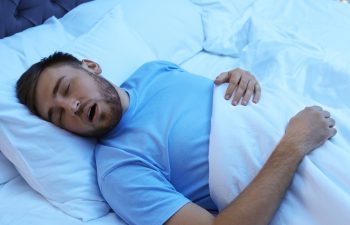
That nightly rumble keeping your partner awake isn’t just an annoyance—it’s your body trying to tell you something. Snoring affects an estimated 90 million American adults, with approximately 37 million snoring on a regular basis. While occasional snoring is common, chronic snoring often points to underlying issues that deserve attention.
At Northern Virginia Sleep Solutions in Alexandria, Dr. Hye Park helps patients throughout Northern Virginia understand what’s causing their snoring and find effective solutions. As a Diplomate of the American Academy of Dental Sleep Medicine, Dr. Park specializes in diagnosing and treating sleep-related breathing disorders using comfortable, non-invasive approaches.
What Actually Causes Snoring?
Snoring occurs when air flows past relaxed tissues in your throat, causing those tissues to vibrate as you breathe. The resulting sound can range from a soft flutter to a freight-train roar depending on the severity of the airway obstruction. Understanding the root cause of your snoring is the first step toward finding relief—both for yourself and anyone sharing your bedroom.
1. Your Airway Anatomy
Some people are simply built to snore. Anatomical factors play a significant role in whether you’re prone to nighttime noise, and these structural characteristics can make the airway more susceptible to collapse or obstruction during sleep.
Common anatomical contributors include:
- Enlarged Tonsils or Adenoids: Oversized tissues in the throat can narrow the airway
- Deviated Septum: A crooked nasal partition restricts airflow through the nose
- Long Soft Palate or Uvula: Extra tissue at the back of the mouth can partially block the airway opening
- Small or Recessed Jaw: A jaw positioned further back than normal can push the tongue toward the throat
- Narrow Throat: Some individuals naturally have less space in the pharyngeal airway
While you can’t change your genetics, treatments like oral appliance therapy can reposition the jaw and tongue to open the airway. Dr. Park uses customized oral appliances that gently shift jaw position during sleep, creating more space for air to flow freely without vibration.
2. Excess Weight and Neck Circumference
Carrying extra weight—particularly around the neck and throat—is one of the most common causes of snoring. Fat deposits around the upper airway can narrow the breathing passage, making it more likely to collapse during sleep when muscles naturally relax.
Research shows that men with a neck circumference greater than 17 inches and women with a neck circumference exceeding 16 inches face significantly higher snoring risk. Even modest weight gain of 10 to 15 pounds can trigger new snoring in people who previously slept quietly.
The good news is that weight loss often reduces or eliminates snoring. Studies indicate that losing just 10 percent of body weight can meaningfully improve sleep-disordered breathing. However, weight loss takes time, and many patients benefit from combining lifestyle changes with immediate treatment options like oral appliances or NightLase® laser therapy while working toward their health goals.
3. Sleep Position
Gravity works against you when you sleep on your back. In the supine position, your tongue and soft palate naturally fall backward toward your throat, narrowing the airway and increasing tissue vibration. Many people who snore loudly on their back sleep quietly when positioned on their side.
Position-related snoring is sometimes called “positional sleep apnea” when it contributes to breathing interruptions. Simple strategies can help, including specialty pillows designed to encourage side sleeping or positional therapy devices. However, if you find yourself consistently rolling onto your back despite your best efforts, the underlying cause may require more comprehensive treatment.
For residents throughout Alexandria, Arlington, and Falls Church dealing with positional snoring, Dr. Park can evaluate whether your snoring is purely position-dependent or if other factors are contributing.
4. Alcohol, Medications, and Muscle Relaxation
What you consume before bed significantly impacts your snoring risk. Alcohol is one of the most common culprits because it relaxes the muscles in your throat even more than normal sleep would, allowing tissues to collapse and vibrate more easily.
Drinking alcohol within three to four hours of bedtime dramatically increases both the likelihood and loudness of snoring. Even people who don’t normally snore may experience it after drinking.
Certain medications can have similar effects, including:
- Sedatives and Sleep Aids: These intentionally relax muscles throughout the body, including the throat
- Antihistamines: While clearing congestion, some formulations cause muscle relaxation
- Muscle Relaxants: Prescribed for pain or spasms, these affect throat muscles too
- Some Antidepressants: Certain medications in this class contribute to airway relaxation
If you suspect your medications might be affecting your sleep, discuss alternatives with your prescribing physician. Never stop taking prescribed medications without medical guidance, but know that options may exist that are less likely to worsen snoring.
5. Nasal Congestion and Allergies
When your nose is stuffy, you’re forced to breathe through your mouth during sleep. Mouth breathing creates a vacuum effect in the throat that pulls soft tissues inward, dramatically increasing snoring. Chronic nasal congestion—whether from allergies, sinus issues, or structural problems—is a frequently overlooked contributor to nighttime noise.
Northern Virginia’s changing seasons bring pollen, mold, and other allergens that can trigger inflammation and congestion. Year-round issues like dust mites, pet dander, and dry indoor air from heating systems can maintain chronic nasal swelling that perpetuates snoring.
Addressing nasal issues often helps reduce snoring significantly. Strategies include treating underlying allergies, using nasal saline rinses, running a humidifier in the bedroom, and elevating the head during sleep. For persistent congestion, evaluation by an ear, nose, and throat specialist may be beneficial.
When Snoring Signals Something Serious
While snoring itself isn’t dangerous, it’s often a warning sign of obstructive sleep apnea—a condition where breathing actually stops repeatedly throughout the night. An estimated 80 percent of moderate to severe sleep apnea cases remain undiagnosed, leaving millions of people at increased risk for serious health consequences.
Signs that your snoring may indicate sleep apnea include:
- Gasping or Choking: Waking suddenly with a sensation of choking or inability to breathe
- Witnessed Breathing Pauses: A partner observing you stop breathing during sleep
- Excessive Daytime Sleepiness: Feeling unrested despite adequate time in bed
- Morning Headaches: Waking with headaches that improve as the day progresses
- Difficulty Concentrating: Brain fog, memory issues, or trouble focusing
- High Blood Pressure: Sleep apnea significantly increases cardiovascular risk
Untreated sleep apnea has been linked to heart disease, stroke, type 2 diabetes, and cognitive decline. If you experience any of these symptoms alongside snoring, evaluation is essential.
Effective Snoring Solutions at Northern Virginia Sleep Solutions
Dr. Hye Park offers several proven treatments for snoring and sleep apnea that don’t require bulky CPAP machines or invasive surgery:
- Custom Oral Appliances: Precisely fitted devices worn during sleep that gently reposition the jaw and tongue to maintain an open airway
- NightLase® Laser Therapy: A non-invasive laser treatment that tightens tissues in the throat to reduce vibration and improve airflow
- Comprehensive Evaluation: Thorough assessment to identify all contributing factors to your snoring
With specialized training in Sleep and Airway Dentistry and certification from the American Academy of Dental Sleep Medicine, Dr. Park brings extensive expertise to every patient’s care plan.
Take the First Step Toward Quieter Nights
Snoring doesn’t have to be something you simply live with—or something your partner endures. Understanding why you snore opens the door to effective treatment that can improve your sleep quality, your health, and your relationships.
Take our online sleep quiz to learn more about your symptoms, or schedule a consultation with Dr. Park to discuss your snoring concerns. Better sleep is within reach for patients throughout Alexandria, Arlington, Falls Church, and the greater Northern Virginia region.
Posted on behalf of
1725 Duke St, Suite GR03
Alexandria, VA 22314
Phone: (571) 290-7977
nvsleepsolutions@gmail.com
Monday, Friday 8:00 AM – 3:00 PM
Tuesday - Thursday 7:00 AM – 5:00 PM
