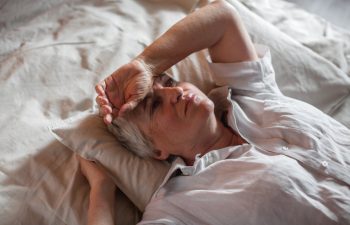
She was the friend who could fall asleep anywhere. The one who slept through thunderstorms, alarm clocks, even a minor earthquake that one time in college. Sleep was never her problem.
Then somewhere around 48, everything changed.
Now she lies awake at 3 AM, staring at the ceiling, wondering why her body has suddenly forgotten how to do something it did effortlessly for decades. When sleep finally comes, it’s shallow and unsatisfying. She wakes feeling like she never slept at all. Her husband mentions that she’s started snoring—something she’s never done in her life. Her doctor suggests it might be “just menopause” and recommends some lifestyle adjustments.
But what if it’s something more? What if the hormonal earthquake happening in her body has quietly triggered a sleep disorder that will only get worse if left unaddressed?
For millions of women navigating perimenopause and menopause, this scenario is playing out right now. And sleep apnea—long considered a “men’s disease”—is the uninvited guest that arrives precisely when estrogen begins its decline.
The Hormone-Sleep Connection Nobody Talks About
Here’s what most women don’t know: estrogen and progesterone aren’t just about reproduction. These hormones serve as silent guardians of your airway while you sleep.
- Estrogen helps maintain muscle tone throughout your body, including the muscles in your upper airway that keep your throat open during sleep. It also influences how your brain regulates breathing patterns during rest.
- Progesterone acts as a respiratory stimulant. It literally tells your brain to keep breathing, functioning as a kind of backup alarm system that prevents the pauses in breathing characteristic of sleep apnea.
When these hormones begin their decline during perimenopause—often starting in the early to mid-40s—their protective effects diminish gradually. The muscles supporting your airway become more relaxed. The brainstem signals that regulate breathing become less reliable. The architecture of sleep itself begins to shift.
This is why a woman who never snored, never gasped awake, never experienced daytime fatigue despite adequate sleep hours can suddenly develop obstructive sleep apnea seemingly out of nowhere.
It’s not sudden at all. It’s hormonal.
The Numbers Tell the Story
Research paints a striking picture of this transition. Before menopause, sleep apnea affects roughly 3% of women. After menopause, that number jumps to somewhere between 9% and 21%—approaching rates typically seen in men.
Put differently: your risk of developing sleep apnea approximately triples after menopause.
Yet despite these statistics, sleep apnea in menopausal women remains dramatically underdiagnosed. Studies suggest that up to 90% of women with sleep apnea don’t know they have it. The symptoms get attributed to menopause itself, to stress, to aging, to “just not sleeping well anymore.”
Meanwhile, the condition progresses, carrying real health consequences.
Why Sleep Apnea Looks Different in Women
Part of the diagnostic challenge is that women often experience sleep apnea differently than men. The classic presentation—loud, dramatic snoring punctuated by obvious gasping—applies more to male patients. Women are more likely to report:
- Insomnia symptoms: Difficulty falling asleep, staying asleep, or waking too early. The apnea events may be subtle enough that they don’t fully wake you, but they fragment your sleep architecture enough to prevent truly restorative rest.
- Fatigue rather than sleepiness: Men with sleep apnea often describe irresistible daytime sleepiness—falling asleep in meetings, struggling to stay awake while driving. Women more commonly describe pervasive fatigue, feeling depleted and exhausted without the dramatic drowsiness.
- Mood disturbances: Depression, anxiety, and irritability appear frequently in women with undiagnosed sleep apnea. These symptoms overlap so significantly with menopausal mood changes that the underlying sleep disorder gets missed entirely.
- Morning headaches: Waking with headaches that fade as the day progresses can indicate overnight drops in oxygen levels—but women may attribute these to tension, sinus issues, or hormonal fluctuations.
- Cognitive changes: Difficulty concentrating, memory problems, and “brain fog” affect many menopausal women. When sleep apnea underlies these symptoms, addressing the sleep disorder often brings dramatic improvement.
The tragedy is that women experiencing these symptoms often receive treatments for each individual complaint—antidepressants for mood, sleeping pills for insomnia, pain relievers for headaches—while the root cause continues unaddressed.
Does It Get Worse? The Honest Answer
Yes. Without treatment, sleep apnea typically progresses. Weight gain that often accompanies menopause can accelerate this progression, as can the continued decline in hormone levels.
But here’s what matters more: treatment works. Women respond excellently to sleep apnea therapy. The symptoms that seemed like inevitable consequences of aging—the fatigue, the cognitive fog, the mood disturbances—often improve dramatically once quality sleep returns.
The question isn’t really whether sleep apnea gets worse during and after menopause (it can). The question is whether you’ll identify it and treat it before it significantly impacts your health and quality of life.
The Cardiovascular Stakes
Sleep apnea isn’t just about feeling tired. Each apnea event—each pause in breathing—triggers a stress response in your body. Your oxygen levels drop. Your heart rate spikes. Stress hormones surge. Your blood pressure rises.
Night after night, this invisible assault takes its toll. Women with untreated sleep apnea face significantly elevated risks of:
- Hypertension (high blood pressure)
- Heart disease
- Stroke
- Type 2 diabetes
- Atrial fibrillation
The cardiovascular risks of menopause are already well documented. Adding untreated sleep apnea compounds these risks substantially. Conversely, treating sleep apnea can help protect cardiovascular health during a vulnerable transition.
Recognizing the Signs
Consider whether you’ve experienced any of the following, particularly if they’ve emerged or worsened during perimenopause or menopause:
Sleep-related signs:
- New or worsening snoring
- Restless sleep or frequent position changes
- Waking with a dry mouth or sore throat
- Night sweats beyond what hormones alone would explain
- Needing to urinate multiple times during the night (apnea events can trigger this)
- Sleep that doesn’t refresh you regardless of hours spent in bed
Daytime signs:
- Persistent fatigue that rest doesn’t resolve
- Morning headaches
- Difficulty concentrating or remembering
- Mood changes, particularly depression or irritability
- Decreased interest in activities you used to enjoy
What your partner might notice:
- Snoring (especially if it’s new)
- Pauses in breathing followed by gasps or snorts
- Restless movement during sleep
- Unusual sleeping positions (sitting partially upright, sleeping at the edge of the bed)
If several of these resonate, a sleep evaluation could provide clarity—and potentially life-changing treatment.
Treatment That Fits Your Life
The gold standard for sleep apnea treatment has long been CPAP (continuous positive airway pressure), and for many patients, it works beautifully. But adherence can be challenging. The mask, the hose, the machine noise, the maintenance—not everyone adapts comfortably.
For women seeking effective alternatives, oral appliance therapy offers a compelling option. These custom-fitted devices, similar in size to an orthodontic retainer, work by gently repositioning the lower jaw forward during sleep. This forward positioning opens the airway, preventing the collapse that causes apnea events.
The advantages for many patients include:
- Compact and portable (fits in a purse)
- Silent operation
- No electricity required
- Nothing covering the face
- Easy to travel with
- Simple daily maintenance
Dr. Hye Park, a Diplomate of the American Academy of Dental Sleep Medicine with specialized training in sleep and airway dentistry, has helped numerous Northern Virginia women find relief through oral appliance therapy. Her integrative approach considers the whole picture—how sleep, breathing, and overall health interconnect—rather than treating symptoms in isolation.
For patients who prefer non-device options, NightLase laser therapy offers another approach. This innovative treatment uses gentle laser energy to tighten and tone the tissues of the soft palate and throat, reducing the tissue laxity that contributes to airway collapse. The treatment requires no anesthesia, involves no devices worn during sleep, and many patients experience noticeable improvement.
The Conversation Worth Having
If you’re moving through perimenopause or menopause and struggling with sleep, fatigue, or any of the symptoms described here, consider bringing up sleep apnea specifically with your healthcare provider. Don’t wait for them to suggest it—many providers still don’t think to screen menopausal women for this condition.
You might say something like: “I’ve been reading about the connection between menopause and sleep apnea. Given my symptoms, could we explore whether this might be a factor for me?”
A sleep study can provide definitive answers. Home sleep tests make this evaluation more convenient than ever—you sleep in your own bed while wearing a small monitoring device that tracks your breathing patterns, oxygen levels, and other relevant data.
If sleep apnea is identified, you’ll have options. If it’s not, you’ve ruled out an important possibility and can explore other explanations for your symptoms.
Either way, you’ll know.
Reclaiming Rest
Menopause brings enough challenges without the addition of a treatable sleep disorder stealing what little rest you manage to achieve. The fatigue, the brain fog, the mood swings—these aren’t inevitable sentences you must serve. They may be symptoms with a solution.
The woman staring at her ceiling at 3 AM doesn’t have to accept this as her new normal. The friend who could once sleep through anything can reclaim restful nights. The protective hormones may be declining, but medical science offers ways to compensate.
Schedule Your Sleep Consultation at Northern Virginia Sleep Solutions
Dr. Hye Park and the team at Northern Virginia Sleep Solutions specialize in helping patients throughout Alexandria, Arlington, Falls Church, and the greater Northern Virginia area achieve the quality sleep essential for health and wellbeing. With advanced training in dental sleep medicine and a commitment to finding solutions that work for each individual patient, Dr. Park offers the expertise and compassion that complex sleep issues require.
If you’re wondering whether menopause has awakened a sleep disorder you never knew you had, a consultation can provide answers. Contact Northern Virginia Sleep Solutions at (571) 290-7977 or book an appointment online. The practice is located at 1725 Duke Street, Suite GR03, in Alexandria, with convenient hours Monday through Friday.
Your sleep matters. Your health depends on it. And solutions exist.
It’s time to show that uninvited guest the door.
Posted on behalf of
1725 Duke St, Suite GR03
Alexandria, VA 22314
Phone: (571) 290-7977
nvsleepsolutions@gmail.com
Monday, Friday 8:00 AM – 3:00 PM
Tuesday - Thursday 7:00 AM – 5:00 PM
